A NEW KIND OF TROUBLE FOR DIASPORA NIGERIANS
For years, diaspora Nigerians enjoyed a simple rule of life: Earn abroad → Pay tax abroad → Visit Nigeria during Christmas → Go back happily.
Nobody asked too many questions.
Nobody cared how many houses you owned in Nigeria.
Nobody cared how much rent you earned in Lagos.
Nobody cared how much business you ran remotely from Canada or the UK.
Those peaceful days have entered retirement.
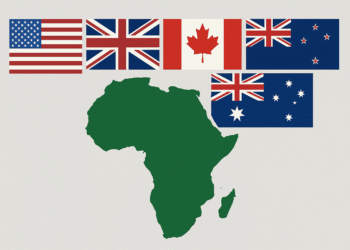
With the 2026 tax reforms, Nigeria is adopting a modern global tax framework — the same kind used by developed countries like the UK, US, Canada, and Australia.
This means something that many diaspora Nigerians never expected to hear:
If Nigeria considers you a tax resident, Nigeria can tax your worldwide income — including your UK salary, your US consulting gig, your Canadian investments, and your Dubai side hustle.
This Clariform Analysis explains:
- What worldwide income taxation really means
- How Nigeria decides who is a “tax resident”
- How diaspora Nigerians can fall into the tax trap accidentally
- How to legally avoid double taxation
- How to structure your finances to stay safe
And of course, we will do it in simple English — because tax residency explained in big grammar has caused more panic attacks than necessary.
WHY DIASPORA NIGERIANS SHOULD PAY ATTENTION NOW
There are over 20 million diaspora Nigerians spread across the world, sending billions home every year. Diaspora money has become a major part of Nigeria’s financial stability.
The Nigerian government knows this.
The Nigerian tax authority knows this.
And starting in 2026, the new tax system wants to keep an eye on that money.
The intention is not to punish diaspora Nigerians — it is to modernise revenue collection. But the implications are real, and if you do not understand them, you may receive a tax bill from a country you are not even living in.
WHAT IS “WORLDWIDE INCOME TAXATION” IN SIMPLE ENGLISH?
Worldwide income means: If you are a Nigerian tax resident, Nigeria can tax ALL your income, no matter where in the world you earned it.
So even if:
- You live in the UK,
- Work for a UK employer,
- Pay UK taxes,
- Spend only some time in Nigeria,
…you may still be taxed in Nigeria if you meet the residency criteria.
To be clear:
Nigeria is NOT saying all diaspora Nigerians must pay tax on their foreign income.
Nigeria is saying: If you meet the definition of a Nigerian tax resident, foreign income becomes taxable.
The key is avoiding tax residency — legally.
HOW NIGERIA DECIDES WHO IS A TAX RESIDENT
Nigeria’s residency rules under the new tax system align closely with global standards.
The government will consider you a tax resident if:
- You spend 183 days or more in Nigeria in a 12-month period
This is the global standard.
If you stay too long, Nigeria will classify you as a resident.
No arguments, no sentiment.
- You have a permanent home available in Nigeria
If you maintain a house you can return to at any time (not just a hotel), this may be considered a “permanent home”.
This rule becomes dangerous for diaspora Nigerians who:
- Build houses in Nigeria
- Keep a family home
- Maintain a furnished apartment
- Keep their original household while relocating
A house in Nigeria + frequent visits = potential residency.
- You have strong economic ties to Nigeria
This includes:
- Running a Nigerian business remotely
- Receiving rent from Nigerian property
- Having major investments based in Nigeria
- Being a director or major shareholder in a Nigerian company
This rule is vague — and vagueness is where people get caught.
- Your centre of vital interests is in Nigeria
This is a fancy way of saying:
Where is your real life based?
Consider:
- Family location
- Primary business interests
- Where you spend most of your “non-work” time
- Where your major financial decisions are made
Some diaspora Nigerians earn abroad but live mentally and financially in Nigeria. Under tax laws, this matters.
DANGEROUS MYTHS DIASPORA NIGERIANS BELIEVE
Let’s clear some misconceptions.
❌ Myth 1: “I don’t live in Nigeria, so I am fine.”
Wrong.
Many Nigerians accidentally spend 5–6 months in Nigeria each year without realising it.
❌ Myth 2: “If I pay tax abroad, Nigeria cannot tax me.”
Wrong again.
Payment abroad does not automatically exempt you — only a double tax treaty does that, and Nigeria has very few.
❌ Myth 3: “If my income doesn’t enter my Nigerian bank account, Nigeria cannot tax it.”
False.
Residency triggers worldwide taxation — not bank transactions.
❌ Myth 4: “If I own a house in Nigeria, it’s not a big deal.”
Maybe… or maybe not.
A furnished, available home + long visits = tax residency risk.
❌ Myth 5: “Side hustles abroad are safe.”
Not if residency rules classify you as a Nigerian resident.
HOW NIGERIANS ABROAD CAN ACCIDENTALLY BECOME TAX RESIDENTS
Here are realistic examples:
Case A: UK Resident Who Visits Nigeria Often
You live in London.
But you visit Nigeria:
- December (3 weeks)
- Easter (2 weeks)
- August holiday (1 month)
- Family emergency trips (2–3 weeks)
- Weddings (1 week)
Altogether → 90–120 days per year.
Now add flight days + days of departure + days of arrival.
You are almost at 150 days.
One unusually long visit can push you to 183 days.
Case B: A Nigerian in Canada building a house at home
You come home for:
- Construction supervision
- Inspection
- Family issues
- The final finishing phases
This easily crosses 180 days over 12 months.
Congratulations — you are now a tax resident without knowing.
Case C: Running a Nigerian business from abroad
If you:
- Own shares in a Nigerian company
- Are a director making decisions
- Run a business remotely
- Employ staff
Nigeria has a reason to classify you as a resident for tax purposes.
WHAT HAPPENS IF YOU BECOME A NIGERIAN TAX RESIDENT?
If residency is triggered, Nigeria can legally tax:
- Your salary abroad
- Your dividends abroad
- Your business income abroad
- Your consulting fees abroad
- Your remote work income
- Your investment income abroad
- Your crypto profits
- Your property income abroad
In essence:
Your global income becomes taxable in Nigeria.
This is not double taxation — it is the normal global rule for residents.
HOW TO LEGALLY AVOID NIGERIA TAXING YOUR FOREIGN INCOME
Here is the part diaspora readers will screenshot.
- Track your days in Nigeria carefully
Aim for less than 120 days per 12 months for maximum safety.
Do not go near 183 days.
- Do NOT keep a “permanent home” available to you
If you own property in Nigeria:
- Do NOT leave it furnished
- Do NOT allow it to be classified as your main home
Rent it out.
Put tenants.
Make it unavailable.
- Separate your foreign and Nigerian finances
- Keep your salary abroad
- Keep foreign investments abroad
- Do not mix foreign income with Nigerian accounts
This protects you during audits.
- Use Non-Resident structures correctly
If you are not a resident, Nigeria can only tax:
- Nigeria-sourced income
- Nigerian investments
- Nigerian rent
Your foreign salary remains protected.
- Be careful with Nigerian bank accounts
Large unexplained inflows trigger questions.
Do not make your Nigerian account your global transaction account.
- Hold Nigerian assets through companies — not personal name
This reduces residency risk because:
- You are not personally “earning” Nigerian income
- The company is
- You only receive dividends when you choose
This is legal tax avoidance.
- Avoid economic ties that scream “resident”
This includes:
- Running Nigerian businesses full-time from abroad
- Being a full-time director of a Nigerian company
- Making Nigeria your financial headquarters while living abroad
You must separate your centres of interest.
SPECIAL CASE — DIASPORA NIGERIANS WHO PLAN TO RETURN HOME
If you plan to relocate back to Nigeria, you must structure:
- foreign pensions
- foreign investments
- rental properties
- retirement income
…before becoming a Nigerian resident permanently.
Once you relocate, Nigeria can tax worldwide income unless structured smartly.
There are legal strategies to protect your retirement income — but only if done before relocation.
CLARIFORM OPINION — DIASPORA NIGERIANS MUST GET SMART, FAST
This 2026 reform is not an attack on diaspora citizens.
It is simply Nigeria joining the club of serious countries that expect residents to pay tax properly.
But here is the truth: Diaspora Nigerians are at the highest risk of making innocent mistakes that trigger residency.
Why?
Because diaspora lifestyles are complex:
- Multiple countries
- Multiple bank accounts
- Multiple incomes
- Property in different locations
- Frequent travel
- Emotional ties to Nigeria
Without understanding residency rules, it is very easy to fall into the tax net accidentally.
The winners will be:
- Those who track days
- Those who structure their assets
- Those who separate personal and company income
- Those who plan before returning home
- Those who avoid unnecessary residency triggers
The losers will be those who assume “Nigeria cannot tax me because I live in Canada.”
That confidence is the shortest route to a very long email from FIRS.
CONCLUSION: THE DIASPORA DILEMMA IS REAL — BUT IT IS MANAGEABLE
Nigeria’s 2026 tax reform introduces a new world for diaspora Nigerians:
- clearer rules
- stricter residency tests
- potential worldwide taxation
- deeper financial tracking
- new reporting expectations
But with proper planning, you can:
- avoid double taxation
- protect your foreign income
- manage Nigeria-related assets intelligently
- keep your tax obligations low and lawful
The key word is structure.
Diaspora Nigerians who treat their finances the same way they treat holiday bookings will get into trouble. But those who treat their finances the way they treat visa applications — carefully, responsibly, strategically — will be perfectly safe.
At Clariform Media, we don’t just break down policies — we prepare you for the future.