In January 2026, Nigeria enters a new tax era that will fundamentally reshape how individuals, businesses, and even diaspora Nigerians interact with the Nigerian tax system.
For decades, Nigeria’s tax landscape has been a confusing mix of scattered laws, overlapping agencies, contradictory rules, and a surprising amount of “let God judge between me and the tax man” energy. Many Nigerians survived by simply staying quiet, staying hidden, or staying lucky.
Those days are over.
The 2025 tax reform package — led by the Nigeria Tax Act (NTA), Nigeria Tax Administration Act (NTAA), Nigeria Revenue Service Act (NRSA), and the Joint Revenue Board Act (JRBA) — is the biggest tax transformation in Nigeria since the return of democracy.
Nigeria is finally moving from a “tax where you see fit” system to a modern, centralised tax framework. Whether this brings efficiency or stress depends largely on how prepared Nigerians are.
At Clariform, our job is to break it down clearly, fairly, and with a touch of humour — because tax discussions without humour can send anyone straight into early retirement.
WHY THIS REFORM IS SO DIFFERENT
This reform is not simply a change in rates. It is a change in Nigeria’s philosophy of taxation. The country is shifting to a system that:
- Captures more income
- Tracks more activity
- Simplifies the law
- Eliminates loopholes
- Expands the tax net
- Improves data reporting
- Reduces the old confusion-based tax avoidance
Nigeria wants predictable revenue. Investors want clarity. The government wants control. Taxpayers want survival.
This reform is where all four interests collide.
THE FOUR NEW TAX LAWS — IN SIMPLE ENGLISH
Nigeria now operates under a unified tax architecture. These are the pillars:
- Nigeria Tax Act (NTA)
This is the core law that defines what is taxable, who is taxable, how income is treated, and what reliefs apply. It replaces several older laws, bringing personal income tax, capital gains, and other rules into one place.
- Nigeria Tax Administration Act (NTAA)
This establishes how taxes are collected, how audits are conducted, how penalties work, and how taxpayers must maintain records. Think of this as the “how to obey or be fined” manual.
- Nigeria Revenue Service Act (NRSA)
This restructures the tax authority into a modern, centralised body with improved power to track income — digital, physical, foreign, and domestic.
- Joint Revenue Board Act (JRBA)
This coordinates tax bodies across federal and state levels to prevent the usual “double taxation dance”.
Together, they create a tax system that is more modern and less forgiving. It is the most organised tax structure Nigeria has ever had — which, unfortunately for some, means fewer places to hide.
KEY CHANGES INDIVIDUALS MUST KNOW
- New Personal Income Tax Structure
Under the new system:
- Annual income up to ₦800,000 → 0% tax
- Above ₦800,000 → taxed at progressive rates up to 25%
This is good for low-income earners, but higher earners will feel the heat more intensely than before.
- No More CRA (Consolidated Relief Allowance)
The CRA — which previously helped reduce taxable income — has been abolished. In its place is the new:
- Rent Relief (20% of annual rent, capped at ₦500,000)
If you rent, good news.
If you are a landlord → nothing for you here.
- Capital Gains Now Fully Integrated
The days of selling land or crypto quietly and smiling to yourself are gone. Capital gains now fall under your personal income tax.
BUSINESS TAXATION — THE COMPLIANCE ERA
Business owners will now interact with a more detailed tax structure.
Key changes include:
- Simplified system for small businesses (turnover ≤ ₦50M)
- More detailed record-keeping
- More pressure to formalise operations
- Clearer taxation of digital and online activities
- Improved cross-agency visibility
Nigeria is moving from “pay tax if you like” to “if you move money, we will see it.”
WORLDWIDE INCOME — THE BIGGEST CHANGE FOR DIASPORA NIGERIANS
Under the new rule, a Nigerian tax resident is taxed on worldwide income.
This affects:
- Nigerians living abroad but spending long periods in Nigeria
- Returnees
- Remote workers living between Nigeria and foreign countries
- Diaspora individuals with strong economic ties to Nigeria
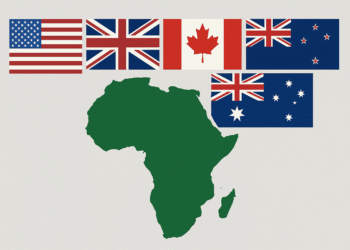
A UK salary earned by someone considered a Nigerian resident may become taxable in Nigeria.
This is a major shift — and one that diaspora Nigerians must understand very clearly.
DIGITAL INCOME — WELCOME TO THE LIGHT
The new tax regime formally recognises digital income:
- YouTube
- TikTok
- Freelancing
- Digital products
- Remote consulting
- Crypto
- Fintech earnings
- App-based income
- Digital affiliate earnings
If you can earn it with your smartphone, the government can tax it.
Before now, digital earners lived in a world of “nobody knows what I do.”
After 2026, FIRS will be your biggest fan — not for your content, but for your tax compliance.
WHO BENEFITS FROM THIS TAX OVERHAUL?
- Lower-income earners
The 0% band up to ₦800,000 gives relief to the poorest.
- SMEs with turnover under ₦50M
Some enjoy reduced tax burdens and simplified reporting.
- Investors who plan long-term
The new clarity helps long-term planners manage taxes more effectively.
WHO WILL FEEL THE PAIN?
- Middle-class earners with multiple income streams
Nigeria now tracks:
- Salaries
- Freelance income
- Rent
- Side hustles
- Digital income
- Capital gains
Many will see their tax burden rise.
- Diaspora Nigerians with assets or income in Nigeria
If they accidentally trigger tax residency, they risk being taxed on worldwide income.
- People with “sitting money” in Nigerian banks
Bank data reporting means hidden wealth is now visible wealth — and therefore taxable wealth.
- Property flippers and speculative investors
Fast profits will now face fast taxation.
WHY THE GOVERNMENT IS DOING THIS
Here are the real reasons behind the reform:
- Nigeria needs more revenue
Oil is unreliable. Tax is stable.
- Aligning with global tax systems
Nigeria is modernising its financial governance to attract investment.
- Reduce tax evasion and informal financial behaviour
Over 80% of earners were outside the tax net.
Reform aims to close that gap.
- Improve investor confidence
Clearer rules → more predictable risk → more investment.
- Strengthen Nigeria’s bargaining power internationally
Countries with structured tax systems get better treaties and global cooperation.
WHAT THIS MEANS FOR THE AVERAGE NIGERIAN
- You must now keep financial records
Receipts, invoices, bank statements — all matter.
- You must understand your income sources
Everything is now classified clearly.
- You must reconsider your banking habits
Large unexplained inflows will raise questions.
- You must understand residency rules
Especially if you live between two countries.
- You must plan your investments around taxation
Your decisions must now include “after-tax” considerations.
CONCLUSION: THE NEW TAX ORDER IS HERE — PREPARE INTELLIGENTLY
Nigeria’s 2026 tax reform is not just a policy change. It is the beginning of a new economic culture.
A culture where income must be explained, accounts must be compliant, and tax is not an optional act of generosity — it is a structured civic obligation.
For the average Nigerian, this means new responsibilities.
For diaspora Nigerians, it means new calculations.
For investors, it means new strategies.
For the government, it means new expectations.
Many Nigerians will not like this system at first. But long-term, a structured tax economy is the foundation of modern development. The challenge is ensuring that:
- Enforcement is fair
- Agencies are coordinated
- Corruption does not compromise the system
- Taxpayers see value for their contributions
The most dangerous part of this reform is not the law itself — it is the possibility of inconsistent implementation.
As this new tax era unfolds, we will continue breaking down every detail — clearly, honestly, and with just enough humour to prevent headaches.